Community / February 2026
The everyday work behind UGSO Varaždin
UGSO is known for visible events, but its everyday work is about communication, independence, and a place in community life.
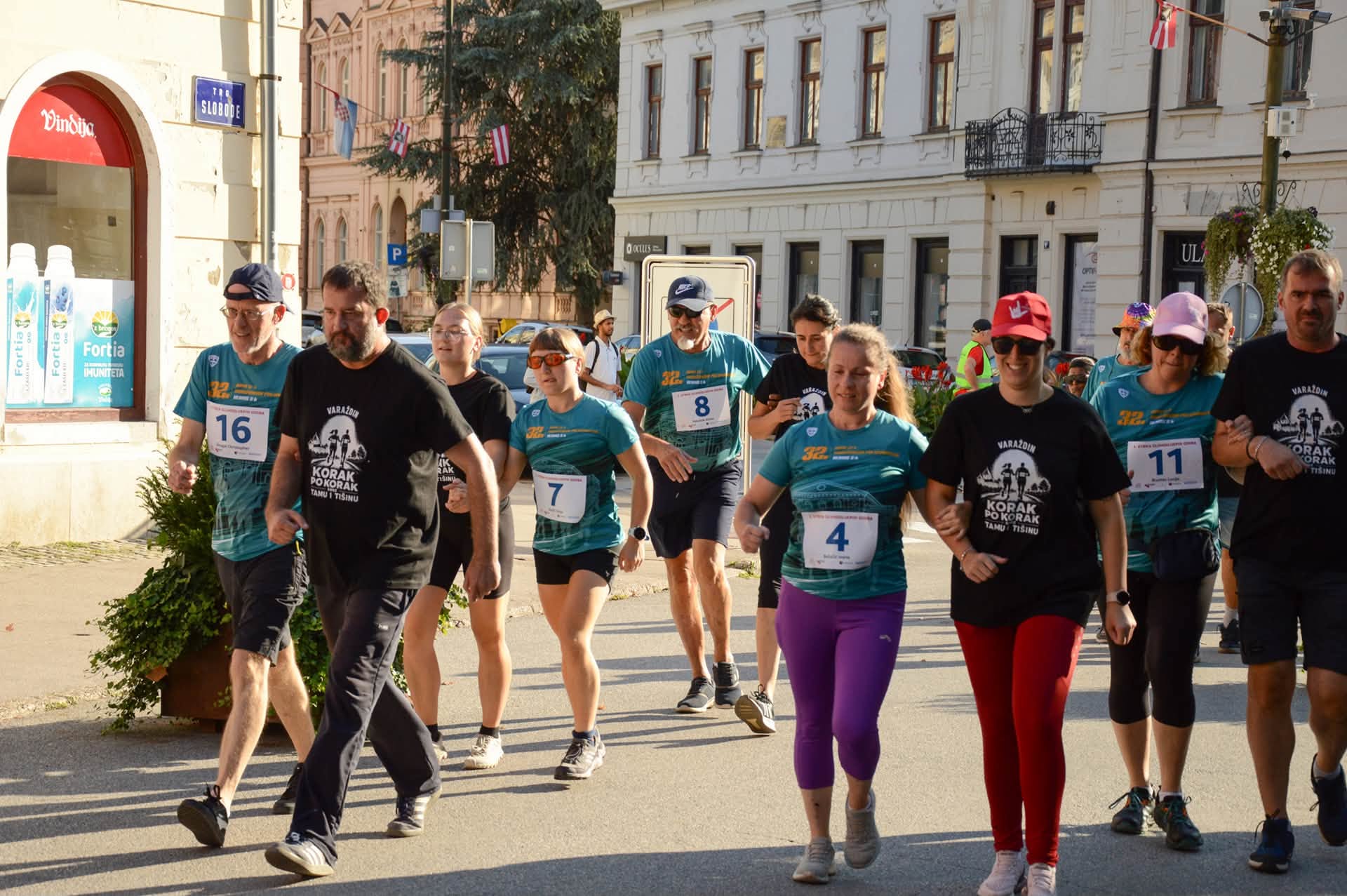
When people first hear about UGSO Varaždin, it is often through a trip, a bicycle ride, or the walking race for deafblind participants. Those moments are worth seeing. They are only part of what the association does.
UGSO—Udruga gluhoslijepih osoba Varaždin, the Association of Deafblind Persons Varaždin—works with deafblind and deaf people in northern Croatia. I have supported its planning, projects, and operational work as a volunteer since 2020. That has given me a view of the work between the photographs: arranging the right support for an appointment, finding a way for someone to join an activity, and keeping a small organization able to do it again next week.
Access is often a person
Think about a hospital visit or a trip to the bank. For a deafblind person, getting there is only one part of the task. The conversation itself must be accessible, and the way it is communicated depends on the person. A communication mediator may convey information using adapted sign language or another preferred method, describe the surroundings, and support orientation and movement. For a deaf person, Croatian Sign Language interpretation may be the essential piece.
UGSO provides personal assistance and communication mediation, alongside daily support with communication and mobility. Access is not a single piece of equipment or a one-off event. It takes skilled people who can work with an individual's way of communicating.
A community has a rhythm
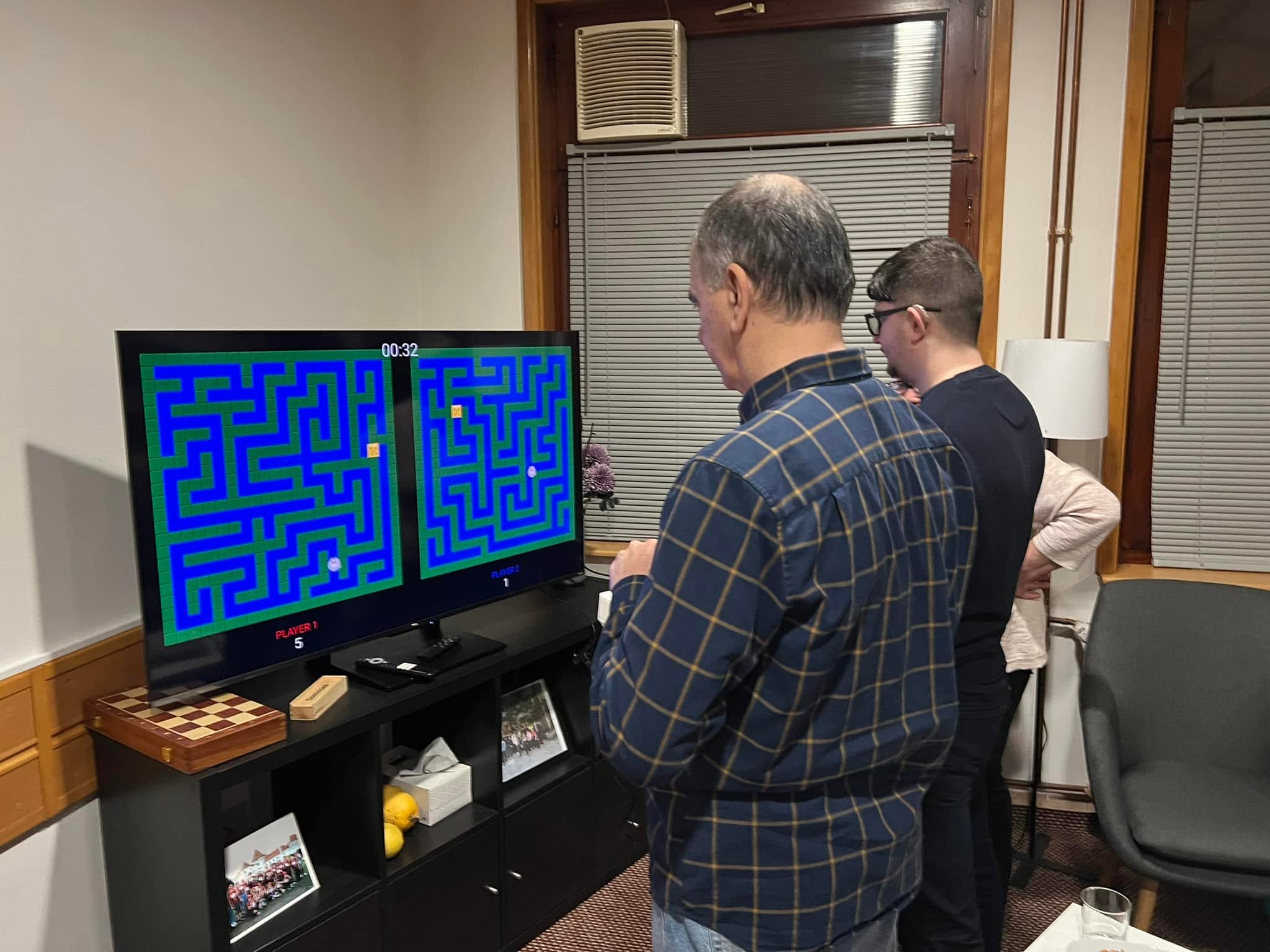
UGSO also gives people reasons to come together when there is no appointment to attend. Its activities include regular gatherings, cooking and creative workshops, games, birthdays, museum visits, cycling, swimming, and trips. A birthday party may sound small next to a public campaign. But for someone whose communication and mobility barriers can make an ordinary visit difficult, a reliable invitation matters.
Recurring birthday gatherings, culinary workshops, seasonal celebrations, and visits to people who cannot easily reach the association's premises all appear in its activity record. UGSO's news page shows the same wider pattern: social time, practical learning, culture, and recreation alongside formal support. The association is not just a desk where a service is arranged. It is also a place where relationships continue.
That matters to how I think about the organization. If the only measure of success were a completed appointment, we would miss whether a person could take part in the life around them. A cooking workshop can be practice in everyday skills and an enjoyable afternoon with other people. A museum visit is both a cultural visit and a test of whether public spaces and communication support actually work together.
Taking part outside the association
UGSO brings that work into schools and public spaces. Its education and outreach introduce children and adults to deafblindness, Croatian Sign Language, and the practical barriers involved in communication and movement. During Helen Keller Week, public activities make some of those barriers easier to notice and discuss. Trips, adapted cycling, and the annual walking race do something complementary: they put deafblind people in ordinary community life as participants, not as a subject being explained from a distance.
There is organizational work under every one of those activities: people, transport, schedules, funding, partners, and the particular support each participant needs. My own contribution has been on the planning and operational side, with volunteering where useful. I do not mistake that for the day-to-day work of UGSO's mediators, interpreters, staff, members, and other volunteers. They are the people who make the association real.
The walking race is one visible example of what that combined effort can produce. But to understand why a race like that matters, start with the quieter work: a conversation made accessible, a familiar gathering, and another chance to be out in the world together.
Update, October 2026: By April, UGSO had eight full-time employees. Its 2025 annual report, published in March, recorded formal services for seven deafblind and 22 deaf users. Those figures describe one service, not the whole community around the association. I also wrote about the second walking race, held in September 2026.
The photographs were added in October 2026 and show moments from UGSO's activities at different times.
Further reading: UGSO's mission, services, news and activities, and published reports.